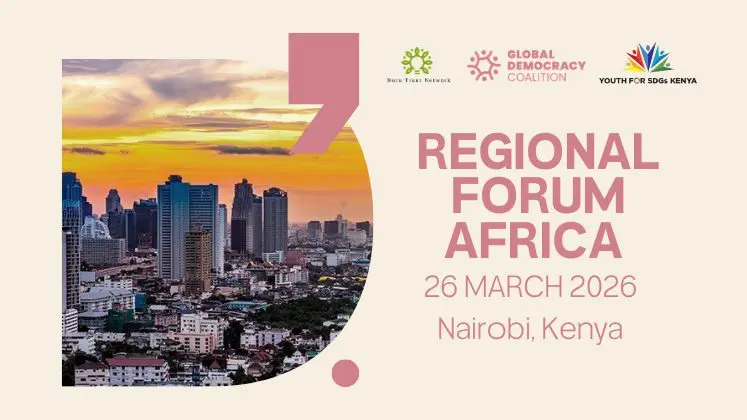
GDC Africa Forum 2026

Nairobi, Kenya

GDC Africa Forum 2026

Background and Regional Context

Across Africa, democratic governance faces mounting strain, with shrinking civic space driven by restrictive laws, security responses, and digital controls limiting citizens’ ability to question power, demand accountability, and engage in public life. Youth across the continent, assert agency through election observation, grassroots movements, online advocacy, and civic tech, reshaping participation beyond traditional structures. Recent elections in Tanzania, Cameroon, and Madagascar show these challenges clearly. Young people led voter education and election monitoring, even as internet shutdowns, false information targeting women and minorities, and restrictions on civil society made their work harder. Upcoming elections in the region offer key tests for safeguarding civic space, enabling safe youth and women’s engagement, and using technology for transparency rather than manipulation.

The Africa Regional Forum 2026 will leverage elections, civic movements, and digital engagement to advance youth agency, women’s leadership, digital resilience, and anti-kleptocracy, aiming to rebuild trust and protect civic space continentwide. This dialogue will interrogate Africa’s evolving democratic landscape. The forum will ground analysis in lived experiences, draw insight from practitioners and experts, and create space for honest exchange on how civic movements, elections, and digital tools can be reclaimed as instruments of accountability rather than control. This convening is not just a conversation, it is a strategic intervention to help shape a more inclusive, resilient, and participatory future for the continent.


Forum Objectives:

  1. Strengthen regional dialogue on Africa’s democratic challenges by examining shrinking civic space youth-led movements, and lessons from recent and upcoming elections.
  2. Advance regional leadership by enabling African civil society to convene inclusive, locally grounded discussions centered on youth, women, underserved communities, and persons with disabilities.
  3. Link African democratic realities to global policy processes by situating issues such as kleptocracy, digital repression, and misinformation within the Global Democracy Coalition’s global framework.
  4. Deliver actionable policy insights and recommendations to inform governments, regional bodies, development partners, and international partners, including the African Union, RECs, UNDP, UN Women, and other UN agencies.


Expected Outputs and Outcomes

  1. A shared cross-regional analysis of the state of democratic legitimacy in Africa, grounded in lived experiences from youth, women, civil society, and regional actors, documenting common risks, emerging opportunities, and context-specific challenges to civic space and participation.
  2. A set of youth- and women-led priorities for a renewed social contract, including concrete demands and recommendations on inclusive governance, political participation, and accountability, developed through participatory working sessions during the Forum.
  3. Practical, action-oriented recommendations on digital resilience, countering misinformation, online safety, and technology-enabled accountability, co-created through problem-solving exercises and real-world scenarios.
  4. Strengthened networks and collaboration pathways among youth movements, women leaders, civil society organizations, regional institutions, and international partners, enabling coordinated advocacy and follow-up action beyond the Forum.
  5. Clear inputs and validated findings to feed directly into the Africa Regional Report and the Global Democracy Coalition’s 2026 global report, ensuring the Forum’s discussions translate into policy influence and measurable follow-on impact.

Panelist and Speaker Profiles

Background and Regional Context Across Africa, democratic governance faces mounting strain, with shrinking civic space driven by restrictive laws, security responses, and digital controls limiting citizens’ ability to question power, demand accountability, and engage in public life. Youth across the continent, assert agency through election observation, grassroots movements, online advocacy, and civic tech, reshaping participation beyond traditional structures. Recent elections in Tanzania, Cameroon, and Madagascar show these challenges clearly. Young people led voter education and election monitoring, even as internet shutdowns, false information targeting women and minorities, and restrictions on civil society made their work harder. Upcoming elections in the region offer key tests for safeguarding civic space, enabling safe youth and women’s engagement, and using technology for transparency rather than manipulation. The Africa Regional Forum 2026 will leverage elections, civic movements, and digital engagement to advance youth agency, women’s leadership, digital resilience, and anti-kleptocracy, aiming to rebuild trust and protect civic space continentwide. This dialogue will interrogate Africa’s evolving democratic landscape. The forum will ground analysis in lived experiences, draw insight from practitioners and experts, and create space for honest exchange on how civic movements, elections, and digital tools can be reclaimed as instruments of accountability rather than control. This convening is not just a conversation, it is a strategic intervention to help shape a more inclusive, resilient, and participatory future for the continent. Forum Objectives: Strengthen regional dialogue on Africa’s democratic challenges by examining shrinking civic space youth-led movements, and lessons from recent and upcoming elections. Advance regional leadership by enabling African civil society to convene inclusive, locally grounded discussions centered on youth, women, underserved communities, and persons with disabilities. Link African democratic realities to global policy processes by situating issues such as kleptocracy, digital repression, and misinformation within the Global Democracy Coalition’s global framework. Deliver actionable policy insights and recommendations to inform governments, regional bodies, development partners, and international partners, including the African Union, RECs, UNDP, UN Women, and other UN agencies. Expected Outputs and Outcomes A shared cross-regional analysis of the state of democratic legitimacy in Africa, grounded in lived experiences from youth, women, civil society, and regional actors, documenting common risks, emerging opportunities, and context-specific challenges to civic space and participation. A set of youth- and women-led priorities for a renewed social contract, including concrete demands and recommendations on inclusive governance, political participation, and accountability, developed through participatory working sessions during the Forum. Practical, action-oriented recommendations on digital resilience, countering misinformation, online safety, and technology-enabled accountability, co-created through problem-solving exercises and real-world scenarios. Strengthened networks and collaboration pathways among youth movements, women leaders, civil society organizations, regional institutions, and international partners, enabling coordinated advocacy and follow-up action beyond the Forum. Clear inputs and validated findings to feed directly into the Africa Regional Report and the Global Democracy Coalition’s 2026 global report, ensuring the Forum’s discussions translate into policy influence and measurable follow-on impact.

Speakers

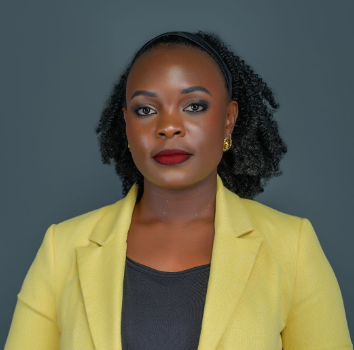
Mary Yvonne Ododah

Mary Yvonne Ododah

Executive Director, Nuru Trust Network

Mary Yvonne Ododah is a distinguished Development Specialist, Peacebuilder, and published author with over a decade of experience in project management, research, and resource mobilization. She is deeply committed to sustainable development, leveraging technology to empower underprivileged communities across Africa. Mary-Yvonne is the Executive Director at Nuru Trust Network, an organization founded in Kenya to build resilience and create opportunities for marginalized communities across Sub-Saharan Africa. Nuru Trust Network is dedicated to bridging the digital divide, improving access to quality education, and fostering economic empowerment, particularly for women and youth. Mary also co-founded Jarumi Ventures Africa, a women-led Pan-African strategy firm, which focuses on optimizing operations for startups and SMEs across diverse sectors. Mary-Yvonne’s extensive international collaborations include partnerships with organizations such as Peace Child International (UK), Earth Day Network (USA), and the Common Market for Eastern and Southern Africa (COMESA). As an ambassador at the Institute for Economics and Peace and One Young World, Mary-Yvonne has worked with global organizations and leaders who share her vision for a more inclusive and equitable world. Additionally, she is the Secretary of the UN Women Regional Civil Society Advisory Group for Eastern and Southern Africa.

Diana Ouma

Diana Ouma

Executive Director, Youth for SDGs Kenya

Diana Ouma is the Executive Director of Youth for SDGs Kenya, an organisation committed to facilitating youth engagement in policy and sustainable development work at national, regional, and global levels. She is also a co-founder and co-host of the ‘Perspective Podcast,’ a climate talk show that addresses various Sustainable Development Goals, climate action being one of them. Diana has over 5 years of experience in advocacy and program coordination having previously served as Program Coordinator at the Horn of Africa Youth Network, where she spearheaded the She Leads Africa Regional Program. A project that aims to empower girls and young women, enabling their meaningful participation and engagement in decision-making processes across Africa.

Join Our Impact

Have an idea or project in mind? Let’s connect and make it happen together!